
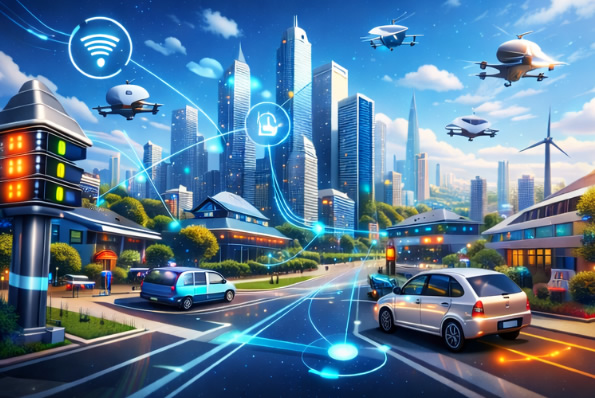
The Future of the Internet of Things in Urban Infrastructure
Cities are entering a period where connected devices shape the way people move, work, and interact with services. From smart lighting to intelligent transport systems, digital sensors are turning urban environments into responsive ecosystems. This shift is similar to how mobile platforms reshaped entertainment markets, where services such as online betting with Betwinner in Bangladesh gained popularity through seamless connectivity and real-time data. In urban planning, the Internet of Things is no longer a distant concept. It is a growing framework that influences sustainability, safety, and economic activity across metropolitan regions.
The spread of IoT in infrastructure comes from the need to manage population density, rising energy demands, and environmental pressure. Governments and private developers are investing in smart grids, automated waste systems, and data-driven public transport. These developments highlight how digital integration changes not only how cities operate but also how residents experience everyday life.
Smart Transportation and Traffic Optimization
Efficient mobility remains one of the main priorities for modern cities. IoT technology supports transportation planning through real-time monitoring and predictive analytics. Connected traffic lights, vehicle sensors, and adaptive public transit schedules help reduce congestion and improve travel reliability.
Key IoT applications in urban mobility
- Adaptive traffic signals that respond to live vehicle flow
- GPS-based fleet management systems for buses and taxis
- Smart parking solutions that direct drivers to available spaces
- Pedestrian safety sensors at busy intersections
- Integrated ticketing platforms linking multiple transport modes
By integrating these tools, city administrations can reduce fuel consumption and travel delays. Urban residents benefit from shorter commute times, while municipal authorities gain better oversight of infrastructure usage. Over time, such systems also generate valuable datasets that shape long-term planning strategies.
Energy Management and Sustainable Utilities
Energy efficiency is another sector where IoT brings measurable change. Smart meters and automated distribution networks allow utility providers to balance supply and demand with greater precision. This digital coordination helps cities address climate targets and manage operational costs more effectively.
IoT Utility Solution | Practical Impact on Urban Infrastructure |
Smart electricity grids | Reduced power outages and improved load balancing |
Connected water monitoring | Early detection of leaks and better resource conservation |
Automated street lighting | Lower energy use through motion-sensitive illumination |
Environmental sensors | Continuous air quality tracking for public health planning |
Smart waste collection | Optimized pickup routes and reduced fuel consumption |
The integration of connected utility systems supports long-term sustainability goals. It also enhances transparency between service providers and residents. As cities adopt these innovations, infrastructure evolves from static physical networks to flexible digital platforms that adapt to real-world conditions.
Broader Implications for Urban Development
The growth of IoT infrastructure influences economic and social patterns in metropolitan areas. Businesses gain access to data insights that support efficient logistics and targeted service delivery. Public safety agencies can coordinate faster responses using networked surveillance and emergency alert systems. These changes contribute to a more resilient urban environment where resources are used with greater awareness.
Urban design itself is changing as architects and planners consider digital connectivity as a core element of construction. Smart buildings equipped with automated climate control and occupancy sensors can reduce operational expenses while improving comfort. At the same time, policymakers must address cybersecurity risks and data governance to maintain public trust.
Investment trends suggest that the next decade will bring even deeper integration of connected technology in city infrastructure. Autonomous transport, intelligent public spaces, and predictive maintenance systems are likely to become common features of advanced urban centers. Such developments highlight the growing link between digital innovation and quality of life.
The future of IoT in urban infrastructure is closely tied to collaboration between technology firms, governments, and communities. As networks expand and devices become more sophisticated, cities have the opportunity to create environments that respond to citizens’ needs in real time. This evolution signals a shift toward smarter, more adaptive metropolitan systems where connectivity plays a central role in shaping everyday experiences.